
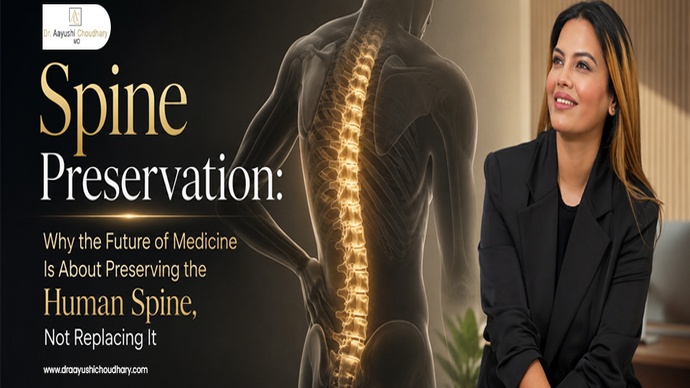
There is a quiet revolution happening in medicine. For decades, the healthcare industry has been trying to replace what had worn out. We replaced knees, hips, shoulders, discs, ligaments, joints and even parts of the spine. It was an extraordinary achievement of modern surgery that benefitted millions of people.
This blog makes you realise the importance of spine preservation through different interventions, medicines and approaches conducted at Purple Heron Hospitals.
Spine Specialist Jaipur Providing Expert Care
Somewhere along the journey, we began asking ourselves a deeper question: "What if we could preserve the spine instead of replace it?" This question has prompted the fastest-growing concepts in modern musculoskeletal medicine-Spine Preservation.
As a Spine Specialist Jaipur, I believe the future of medicine does not belong to the doctor who removes the most tissue. It belongs to the doctor who wants to keep the human body as it is as created by nature.
The spine is not merely a column of bones. The spine in everyday life provides you structural support, enables body movement and protects the spinal cord. It is the central pillar around which an entire human life revolves:
- Every step you take
- Every breath you draw
- Every child you lift
- Every morning you wake up without pain
- Every dream you chase
However, it depends upon your ability to support yourself without asking for attention and assistance from others. Until the day it hurts, only then do we realise how extraordinary the spine truly is.
How Modern Lifestyle Choices Contribute to Chronic Back Pain
Millions of years of evolution have carefully engineered the remarkable structure of the spine. Every vertebra, disc, ligament, tiny facet joint, stabilising muscle, and nerve has been working together with precision to make you move in different directions. The spine is not simply designed to stand upright; it allows us to bend, twist, absorb shock, protect the spinal cord, maintain balance, and move through life with grace and efficiency.
It is perhaps one of nature’s greatest engineering masterpieces. That is why preserving it through medical assistance is your responsibility as long as you are alive.
Unfortunately, the modern lifestyle affects spinal health and chronic back pain like never before as we are engrossed in:
- Long hours at computers
- Sedentary work
- Poor posture
- Obesity
- Stress
- Lack of physical activity
- Sports injuries
- Road traffic accidents
- Premature degeneration.
Today, we are seeing degenerative spinal changes in people in their thirties and forties, changes that were once expected decades later.
Transformation Through Image-Guided Minimum Interventions
Human life expectancy has increased. Ironically, the lifespan of our joints and spine often has not. This is one of the challenging situations faced by modern medicine.
If degeneration begins in the third or fourth decade of life, can we continue replacing one structure after another for the next forty years? Or should we learn to preserve what still functions?
This is where the philosophy of spine preservation changes everything. Spine preservation is not about avoiding surgery at all costs. It is about making the right decision at the right time. It asks a simple question before every intervention: “Can we preserve this spine while restoring function?" Sometimes the answer is yes, while sometimes surgery seems to be absolutely necessary.
But often, there exists an important therapeutic window between painkillers and major surgery, while that window deserves attention. Modern image-guided minimum interventions acting as advanced spinal interventions have transformed the ways we approach spinal disorders.
Using high-resolution ultrasound-guided pain procedures and C-arm fluoroscopic guidance, now it is possible to precisely identify the structure that is responsible for pain rather than relying on assumptions.
I, as a back pain specialist Jaipur feel that instead of treating “back pain” as one disease, we ask:
- Is the pain arising from a facet joint?
- Is it a compressed nerve root?
- Is it inflammation?
- Is it muscular dysfunction?
- Is it instability?
- Is it disc-related?
- Is it altered biomechanics?
- Is it a problem of movement rather than structure?
When we understand the true cause of pain, treatment becomes remarkably easier. And then, precision replaces guesswork. At Purple Heron Hospitals, this philosophy guides every patient we see.
Our objective is not to simply reduce pain but rather to make pain become a source of information and language of the body that requires immediate attention from healthcare professionals. Silencing pain without understanding why it exists is like disconnecting a fire alarm while the fire continues to spread. Our neck pain treatment Jaipur is about identifying the underlying cause of discomfort and offering effective solutions for long-term relief.
Spine Preservation Treatment for Better Patient Outcomes
The real responsibility of an interventional physician is to understand the complete narrative of pain. If inflammation is driving the pain, we address inflammation, while for instability, we restore stability. Similarly, if surgery is truly required, we ensure it is performed under the right supervision followed by comprehensive rehabilitation to restore function.
Every treatment should solve problems, not merely ignore symptoms. Therefore, spine preservation is not one procedure; rather, it is a philosophy.
It combines spine preservation treatment through meticulous clinical examination with advanced imaging, image-guided minimum interventions, interventional pain medicine and regenerative medicine if medically required. Comprehensive rehabilitation, neuro-rehabilitation, movement science, gait analysis, posture correction, muscle re-education, ergonomics, and lifestyle modification can be a few necessary approaches to solve problems of spines. However, the purpose is to help the patient move, as movement is life.
The coming decade will redefine healthcare. For years, medicine has been reactive on the human body after diagnosis of damage. The next move will be to focus on delaying degeneration, preserving tissue, restoring function, and maintaining independence.
Healthcare will increasingly ask not only, "Can we replace this?” but will also ask another question, “Can we preserve this for another ten years?" That shift has already begun.
Across the world, researchers, rehabilitation physicians, spine surgeons, regenerative medicine specialists, neuroscientists, biomechanical engineers, and movement experts are working toward the same goal. These professionals are helping people to remain active without sacrificing structures they were born with. However, these professionals are responsible for identifying the root cause of spinal disorders.
You will find this philosophy in our hospital during every consultation. Every patient is evaluated not only through MRI scans and X-rays but also with the assessment of the function of the spine by analysing:
- How do they walk?
- How do they sit?
- How do they climb stairs?
- How do they lift a child?
- How do they return to work?
- How do they sleep?
- How does pain affect their identity?
It is only after the evaluation that we delve into the treatment process as required among patients.
Comprehensive Spine Rehabilitation to Improve Movement and Quality of Life
We follow a spine preservation protocol in our hospitals where spine preservation is not a single injection, one procedure, or one surgery. It is a comprehensive spine rehabilitation that is designed to preserve natural anatomy while restoring function and improving quality of life.
Step 1: Precision Diagnosis
Every patient undergoes a detailed evaluation that may include:
- Comprehensive clinical examination
- Functional assessment
- Neurological examination
- MRI correlation
- X-ray evaluation
- High-resolution musculoskeletal ultrasound where appropriate
- Video gait analysis
- Posture analysis
- Biomechanical assessment
- Muscle imbalance evaluation
- Functional movement analysis
We do not carry out treatment based on MRI reports; rather, we treat the patient sitting in front of us. The goal is to identify the structure responsible for causing pain.
Step 2: Precision Image-Guided Minimum Interventions
Once the diagnosis is completed, the treatment process starts with high-resolution ultrasound guidance and C-arm guided procedures. Depending upon the underlying diagnosis, treatment may include:
- Image-guided interlaminar procedures
- Selective nerve root procedures
- Facet joint interventions
- Medial branch blocks
- Radiofrequency Ablation (RFA)
- Sacroiliac joint interventions
- Epidural adhesiolysis where indicated
- Peripheral nerve interventions
- Myofascial interventions
- Diagnostic image-guided procedures
These interventions aim to target the source of pain while preserving healthy tissues and avoiding unnecessary surgery as per medical requirements.
Step 3: Regenerative Spine Preservation
Modern spine care is no longer limited to reducing pain. Medicine is focusing on preserving tissues and supporting biological healing. If found medically appropriate, regenerative medicine may be considered as part of a comprehensive treatment strategy.
Depending upon the individual patient’s condition, options may include:
- Growth Factor Concentrates (GFC)
- Bone marrow-derived orthobiologics
- Other evidence-based regenerative therapies
The objective is not to control symptoms but to create an environment that can support tissue preservation and delay degeneration scientifically.
Step 4: Comprehensive Rehabilitation
Pain relief is never the final destination. The real objective is to restore normal movement. Every rehabilitation programme is individualised and evolves with the patient’s recovery. It may include:
- Deep spinal stabilisation
- Core strengthening
- Neuromuscular re-education
- Motor control retraining
- Muscle activation techniques
- Flexibility restoration
- Progressive strengthening
- Balance training
- Proprioceptive rehabilitation
- Functional movement correction
Exercise protocols progress through different stages, from protected activation to resistance training and finally to functional strengthening, based on recovery milestones rather than fixed timelines.
Step 5: Restoring Everyday Function
True spine preservation extends far beyond treating pain. Our comprehensive programmes also focus on restoring normal life through:
Activities of Daily Living (ADL) training
- Workplace ergonomics
- Return-to-work planning
- Walking and gait correction
- Podiatric assessment
- Foot biomechanics optimisation
- Orthotic prescription where indicated
- Nutritional optimisation
- Weight management
- Sleep hygiene
- Pain education
- Psychological and cognitive aspects of chronic pain
Because successful treatment means helping patients get back to their families, careers, hobbies, and everyday life and not simply about reducing pain scores.
Step 6: A Multidisciplinary Approach
Successful spine preservation rarely depends on one doctor. In our hospitals, patients get benefit due to collaboration among specialists in:
- Pain Medicine
- Physical Medicine & Rehabilitation (PM&R)
- Spine Surgery
- Musculoskeletal Imaging
- Physiotherapy
- Occupational Therapy
- Neuro-Rehabilitation
- Orthotics & Prosthetics
- Podiatry
- Nutrition
Every treatment plan is personalised according to the patient’s diagnosis, occupation, goals, lifestyle, and functional expectations. Apart from these interventions and procedures, functional restoration is a multi-professional treatment program that can focus on rebuilding muscle strength and enhancing body movement. Conversely, robotics-assisted rehabilitation makes use of specialised motorised exoskeletons and devices that help patients with spinal cord injuries. As a PM&R Specialist, focus is more on non-surgical care for restoring functions among patients.
Who Can Benefit from Spine Preservation?
Spine preservation may be appropriate for patients suffering from:
- Chronic neck pain
- Chronic back pain
- Sciatica treatment
- Cervical radiculopathy
- Lumbar radiculopathy
- Degenerative disc disease
- Disc prolapse
- Slipped disc treatment
- Spinal stenosis
- Facet joint syndrome
- Sacroiliac joint dysfunction
- Mechanical back pain
- Failed back surgery syndrome
- Sports-related spinal injuries
- Work-related musculoskeletal disorders
- Postural spinal disorders
Every patient is unique; therefore, treatment recommendations should always follow a detailed clinical evaluation.
Looking Beyond MRI: Understanding Function
One of the defining principles of spine preservation is that imaging alone does not tell the complete story. In the hospitals, every patient is assessed not only through MRI scans and X-rays but also through functional evaluation where we observe:
- How does the patient walk?
- How do they sit?
- How do they climb stairs?
- How do they lift objects?
- How do they return to work?
- How do they sleep?
- How has pain changed their identity and independence?
Only after understanding how the structure of the spine affects its function do we create a personalised treatment plan tailored to each individual’s needs.
The Future of Spine Care
Medicine is entering a new era where for decades, healthcare has focused on treating damage after it occurs. The next decade will increasingly focus on delaying degeneration, preserving tissues, restoring function, maintaining independence, and helping people remain active for longer.
Healthcare professionals will not only ask: “Can we replace this?” but also: “Can we preserve this for another ten years?”
That shift has already begun. Around the world, rehabilitation physicians, pain specialists, spine surgeons, neuroscientists, regenerative medicine experts, biomechanical engineers, physiotherapists, and movement scientists are working towards one shared objective: preserve function before replacing structure.
Final Thoughts
Medicine becomes meaningful only when it helps people continue living the lives they love. That is why our mission extends beyond treating spinal disorders. Our mission is to preserve movement, restore function, protect independence, and delay degeneration wherever medically possible.
Through precision diagnosis, image-guided minimum interventions, regenerative medicine when appropriate, comprehensive rehabilitation, biomechanics, ergonomics, gait correction, orthotics, podiatry, nutritional optimisation, and multidisciplinary care, we aim to preserve one of the most extraordinary structures ever created, the human spine.
We at Purple Heron Hospitals vouch to focus on spine preservation to protect the natural structure of the body by reducing pain and improving mobility through our multidisciplinary treatment strategies. Because the greatest success of medicine is not about replacing human structure but rather about preserving the inborn structure.
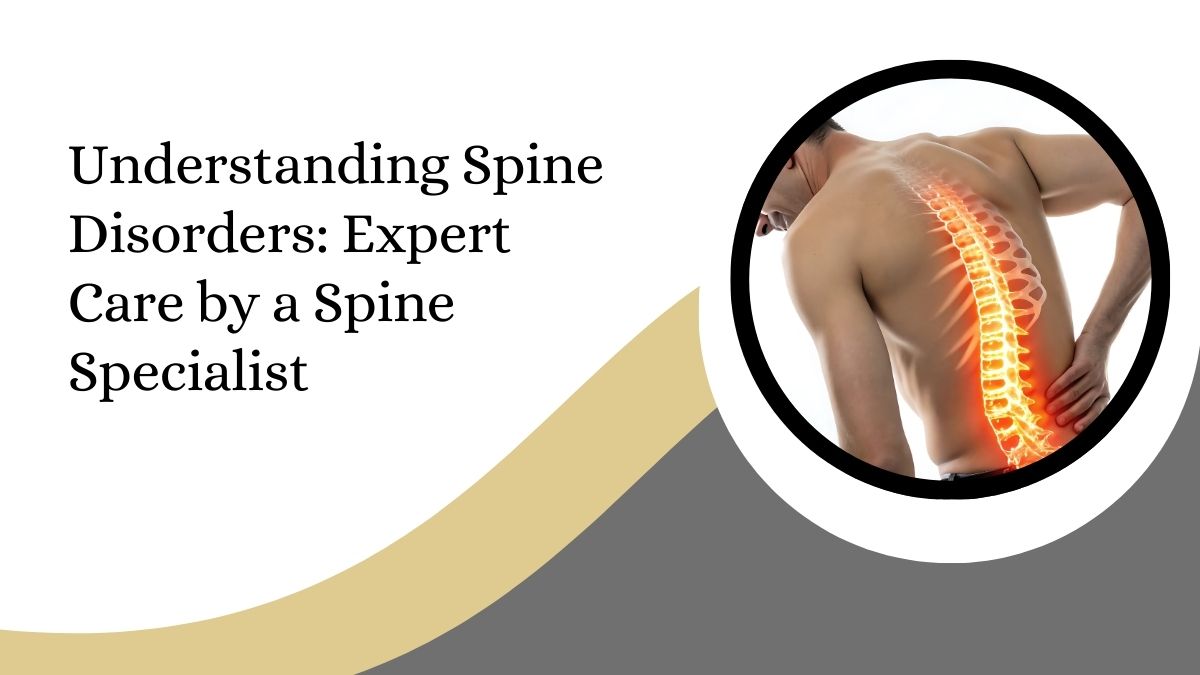 Understanding Spine Disorders: Expert Care by a Spine Specialist
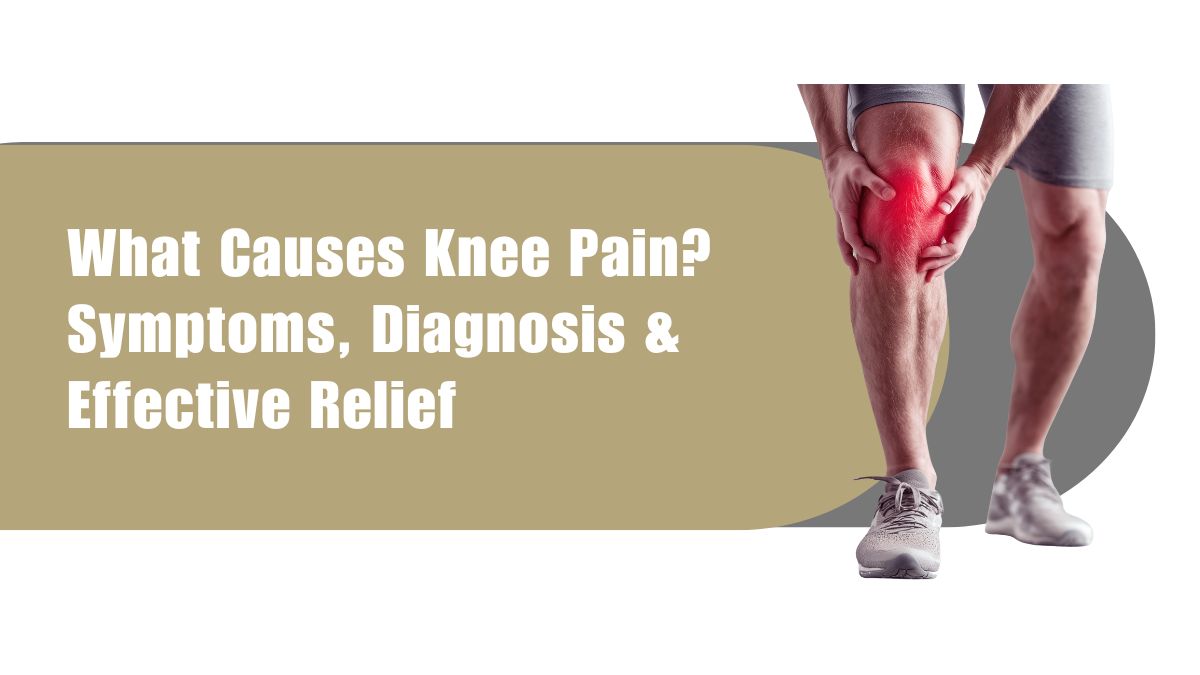 What Causes Knee Pain? Symptoms, Diagnosis & Effective Relief
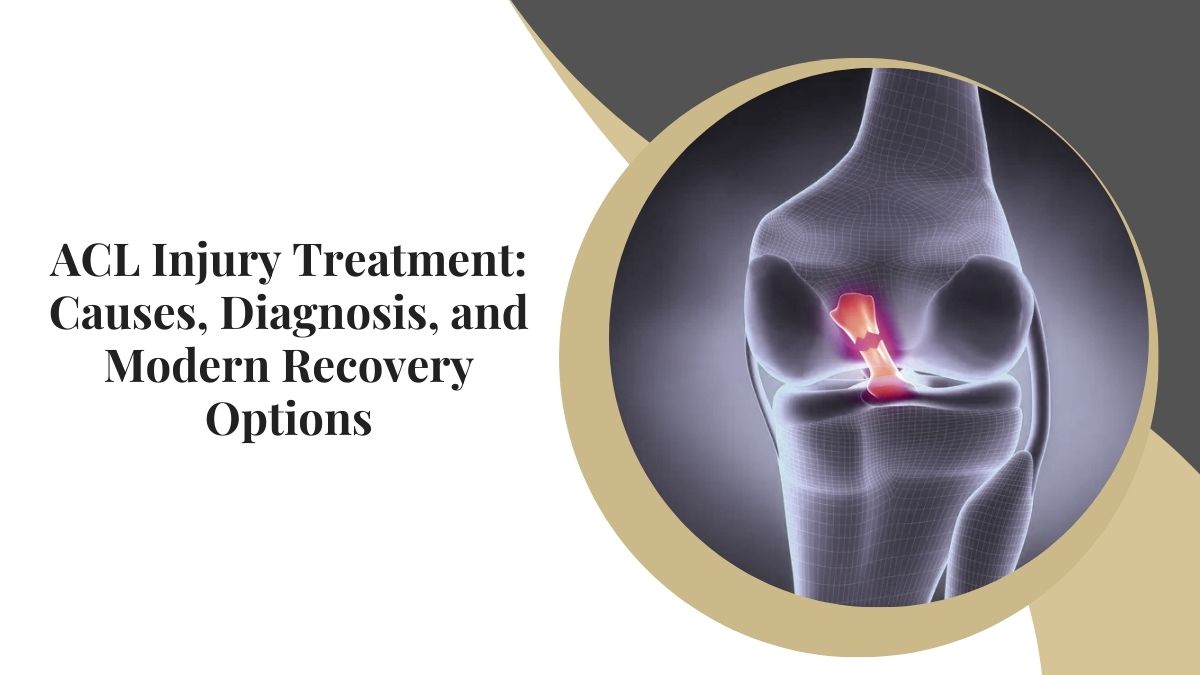 ACL Injury Treatment: Causes, Diagnosis, and Modern Recovery Options
.jpg) How Lifestyle Choices Impact Your Risk of Stroke
How Lifestyle Choices Impact Your Risk of Stroke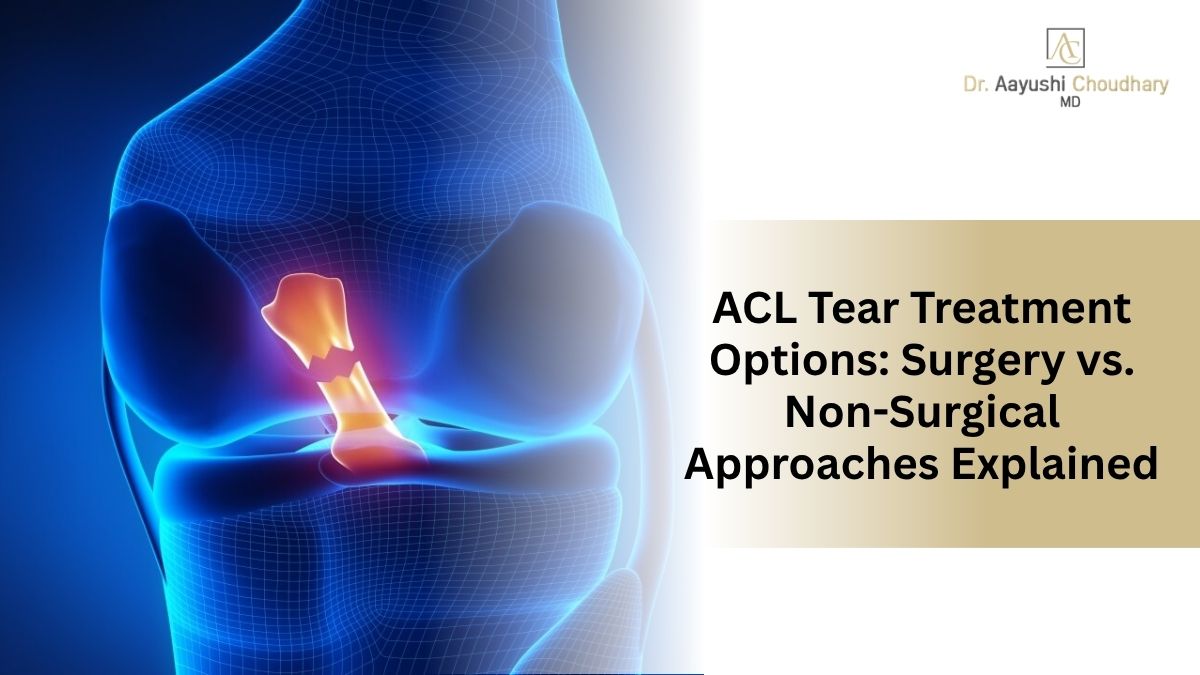 ACL Tear Treatment Options: Surgery vs. Non-Surgical Approaches Explained
 How Do You Know If Knee Pain Is Serious?
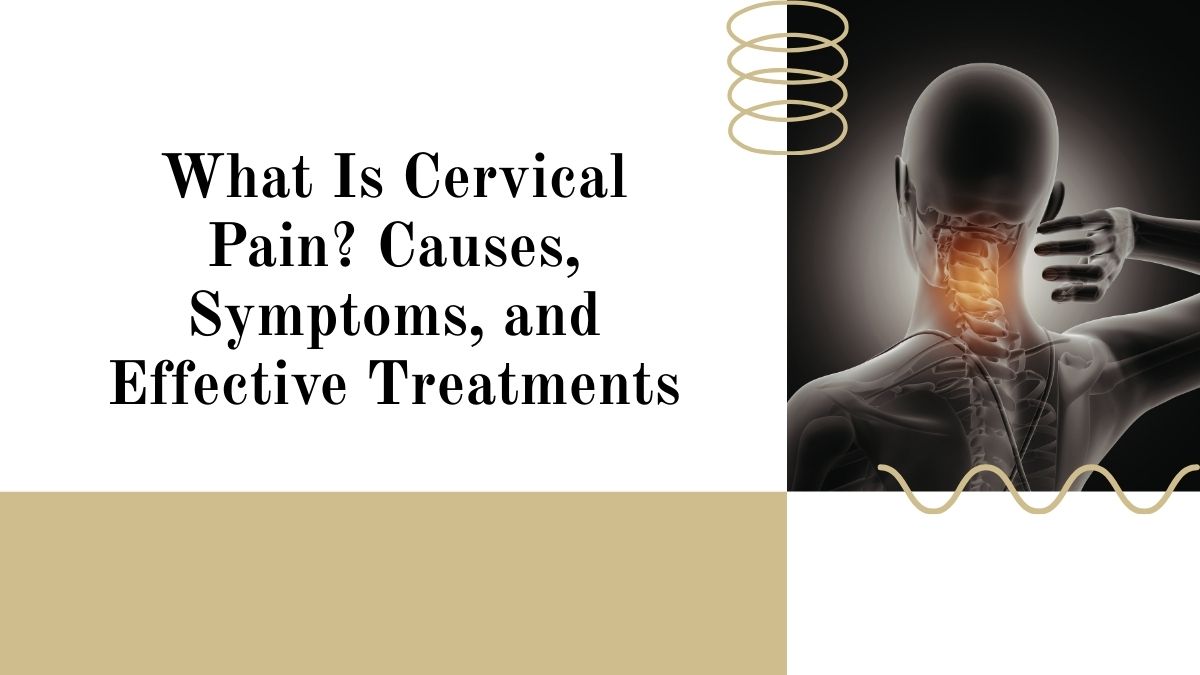 What Is Cervical Pain? Causes, Symptoms, and Effective Treatments
 When Should You Consult a Pain Specialist? Signs You Should Not Ignore
 What Causes Shoulder Pain? Symptoms & Treatment
 Common Sports Injuries and How to Prevent Them: A Complete Guide
 Don’t Ignore These Signs of Paralysis – It Could Be Serious
 Paralysis Treatment & Neurorehabilitation: A 360° Approach to Spastic and Flaccid Paralysis Recovery
 Why Does My Back Hurt? Understanding the Root Causes of Spinal Pain
 Top 10 Early Signs of Stroke You Should Never Ignore
 Daily Activity Tips to Manage Frozen Shoulder Pain
 When Kids with Cerebral Palsy Grow Up: A Simple Guide for Families
 How to Safely Return to Sports After an ACL Injury
 Knee Pain Dos and Don’ts: Best Practices for Pain Management
 Why Are Young People Suffering from Chronic Back Pain?
 8 Common Causes of Neck Pain & Effective Treatment Options
 Pain Management: When to Visit a Pain Specialist or Pain Hospital
 Comprehensive Guide to Managing Musculoskeletal Pain and Body Aches
 Neck Pain Treatment for Working Professionals: Daily Care Tips
 Got Injured While Playing Sports? Here’s What to Do Next
 Knee Pain While Walking? Here Are The 5 Most Common Causes
 How Can People With Cerebral Palsy Improve Their Quality of Life?
 How Long Does ACL Injury Treatment Take? Recovery Explained
 How Does Paralysis Begin & What Treatments Help Recovery?
 Why Is Early Pain Treatment Important for Better Recovery?
 How Can You Tell If Your Knee Pain Needs Medical Attention?
 How Screen Time and Mobile Usage Trigger Cervical Pain?
 Everyday Habits That May Be Damaging Your Spine
 Best Ways to Manage Slip Disc and Improve Spine Health
 Body Ache: Symptoms, Causes and Treatment Explained
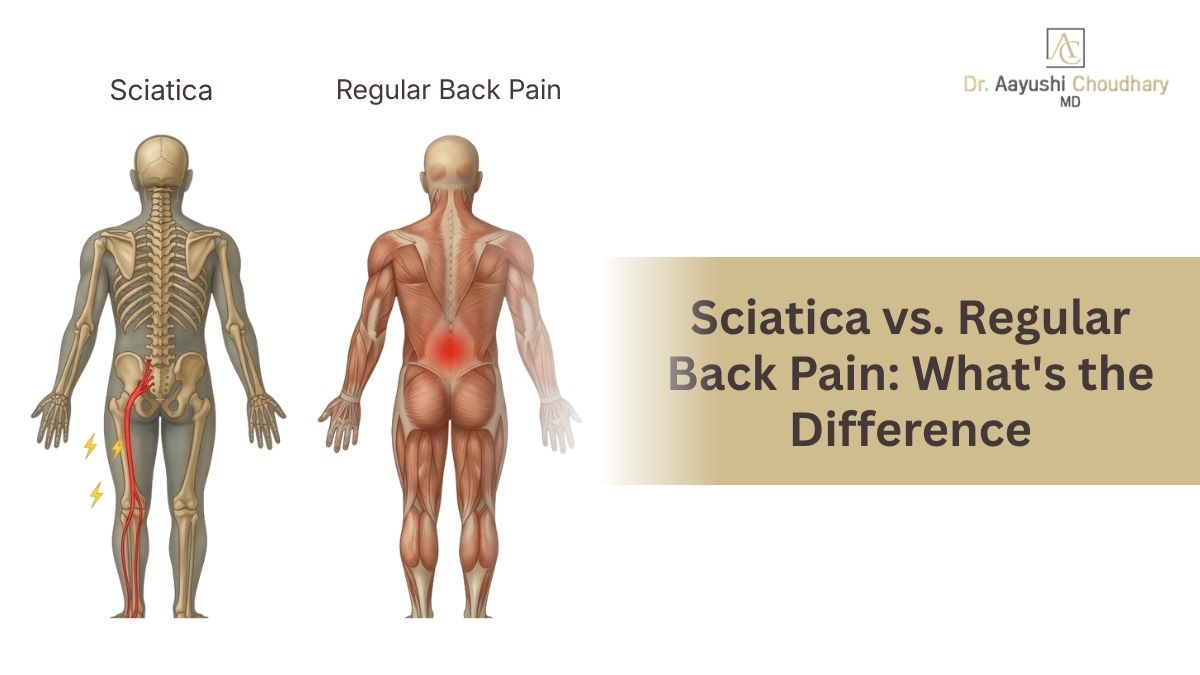 Sciatica vs. Regular Back Pain: What's the Difference? | Expert Guide
 Why Is Joint Pain More Common in Women? | Expert Medical Guide
 Why Do Gym Injuries Happen? | Expert Medical Guide
 Rehabilitation: The Missing Fourth Pillar of Modern Medicine-Why the Future of Healthcare Is Not Just About Saving Lives, But Restoring Them
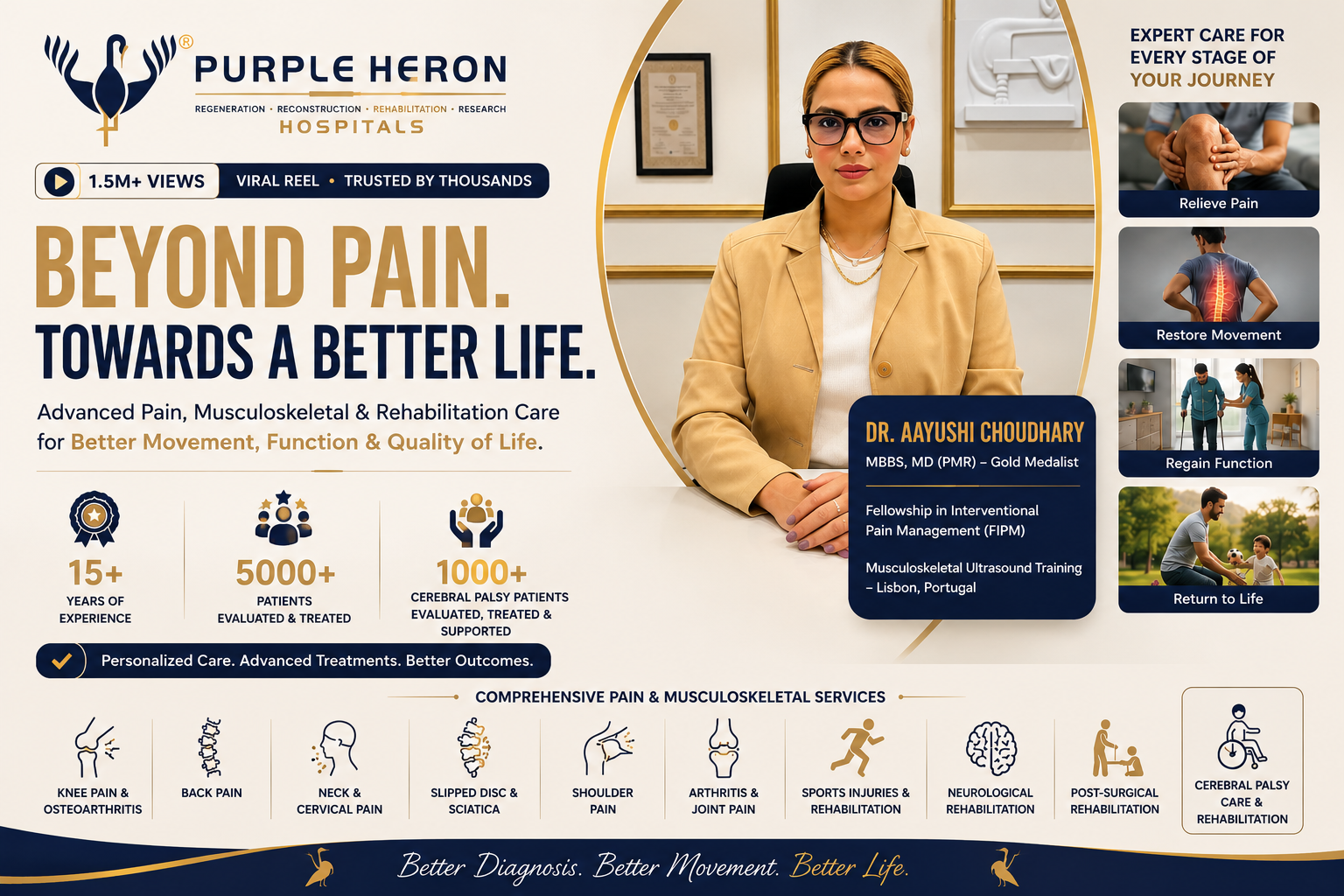 Advanced Pain & Musculoskeletal Care by Dr. Aayushi Choudhary in Jaipur
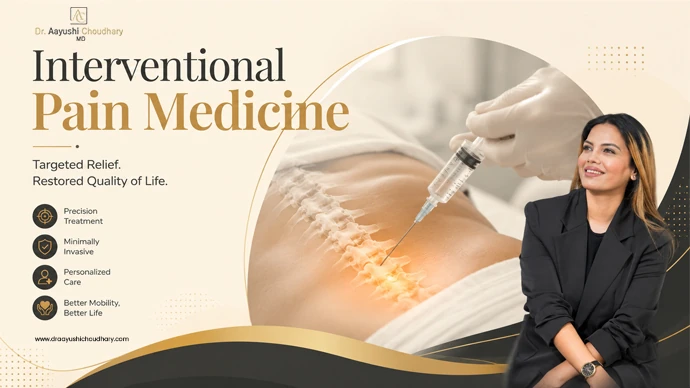 Interventional Pain Medicine: Pain Is Not Enemy; Rather Body's Language. Why Does Future of Pain Medicine Lie in Treating Cause, Not Silencing Symptom?
 Cerebral Palsy Is Not a Deformity Problem, a Movement Problem. Why Correcting a Child’s Legs Does Not Always Help Them Walk?
 Regenerative Medicine: The Future of Healthcare Will Not Be Replacement but Preservation. Why Next Decade in Medicine Will Be Defined by Saving Human Tissue, Not Simply Replacing It
 Best ACL Doctor in Jaipur for Complete Musculoskeletal Care
 Neck Pain Treatment in Jaipur: Causes, Symptoms and Care